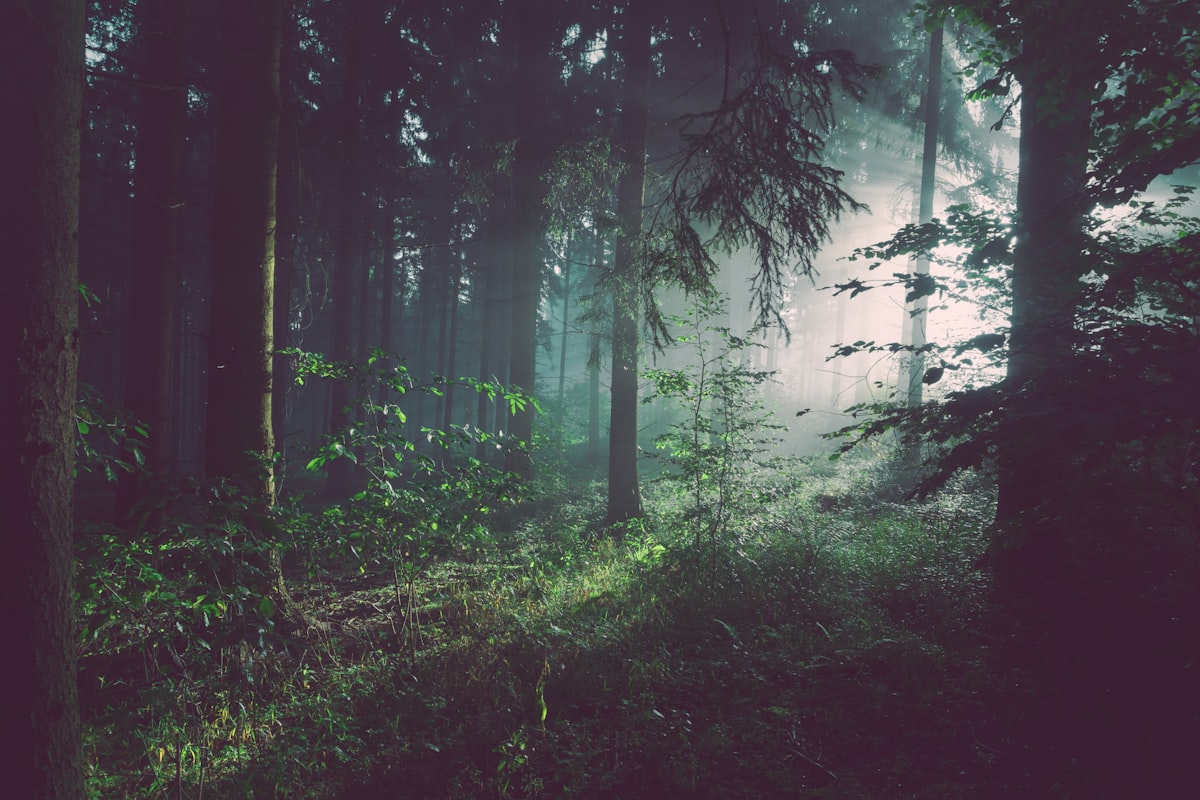
Glenbrook (postcode 2773) is known as the "Gateway to the Blue Mountains" — the first true mountains township after leaving the Western Sydney basin. Sitting at approximately 160 metres elevation at the base of the escarpment, Glenbrook has a milder climate than the upper mountains: warm summers reaching 33–35°C, and cool winters where overnight temperatures rarely drop below 2°C. The suburb is bordered by Lapstone to the east, Blaxland to the west, and the Blue Mountains National Park to the north — with the Nepean River visible from the higher ridgeline streets.
The Glenbrook village centre runs along Ross Street and Glenbrook Road, featuring a mix of cafes, boutiques, and the historic Glenbrook Theatre. The suburb has a strong heritage character — many properties near the village centre are Federation-era cottages dating from the 1890s to 1920s, with high ceilings, timber floors, and single-pane sash windows. Further up the hill towards Wascoe Street and Troy Street, the housing transitions to 1970s–80s brick homes and newer architecturally designed properties with views across the Nepean Valley. The Lapstone area, at the eastern edge of Glenbrook, is known for its steep streets and modern homes on escarpment blocks.
Glenbrook is the entry point to the Blue Mountains National Park for many visitors — the Glenbrook Causeway and Jellybean Pool are popular swimming spots, and the suburb borders the historic Lapstone Zig Zag railway walk. This proximity to the National Park means bushfire awareness is important for properties on the northern edge. Glenbrook's milder climate means standard reverse-cycle inverter systems perform well here without needing the cold-climate ratings required for the upper mountains — making it one of the more straightforward suburbs for AC system selection.
HVAC Considerations for Glenbrook
- Mild climate, standard systems: Glenbrook's elevation means winters are cool but not extreme. Standard reverse-cycle inverter systems from Daikin, Mitsubishi Electric, or Fujitsu perform well without needing alpine-rated models — keeping equipment costs lower than upper mountains suburbs.
- Federation cottage character: Heritage homes near the village centre often have 3m+ ceilings and poor insulation. We calculate heating loads based on actual room volume, not just floor area — undersized systems run constantly without reaching setpoint.
- Lapstone escarpment blocks: Steep blocks in Lapstone can make outdoor unit placement challenging. We assess access, condenser mounting options, and noise considerations for properties on the escarpment edge.
- Gas heating availability: Many Glenbrook streets have reticulated gas. Braemar gas ducted heating is a popular choice for whole-home winter warmth, especially in larger Federation homes where ducting can be retrofitted through existing ceiling cavities.
- National Park proximity: Properties bordering the National Park benefit from post-smoke deep cleans after fire events, and systems with built-in air purification (Panasonic nanoe-X, Daikin Streamer) are recommended for homes near the bush interface.